Mobile App

Difference between Hybrid and Cross-Platform apps

Difference between Hybrid and Cross-Platform apps
02 Feb
3 min
640
409

App technology is evolving day by day. The app downloads are estimated to reach 299 billion by 2023. Our lives have become dependent on apps, like Twitter, and Instagram, even for shopping and dining. We use apps like Amazon and Grubhub. There are 3.48 million different types of apps available on the Android Play Store, and 2.22 million apps are available on the Apple App Store.

With the extreme competition going out in the app market business owners are going deep about the performance, quality, preciseness, functionality, and other important technical aspects of app development. Here is a series of approaches to app development.

Today in this blog we will talk about the main difference between the Cross-Platform approach and the Hybrid approach.

What are Hybrid Apps?

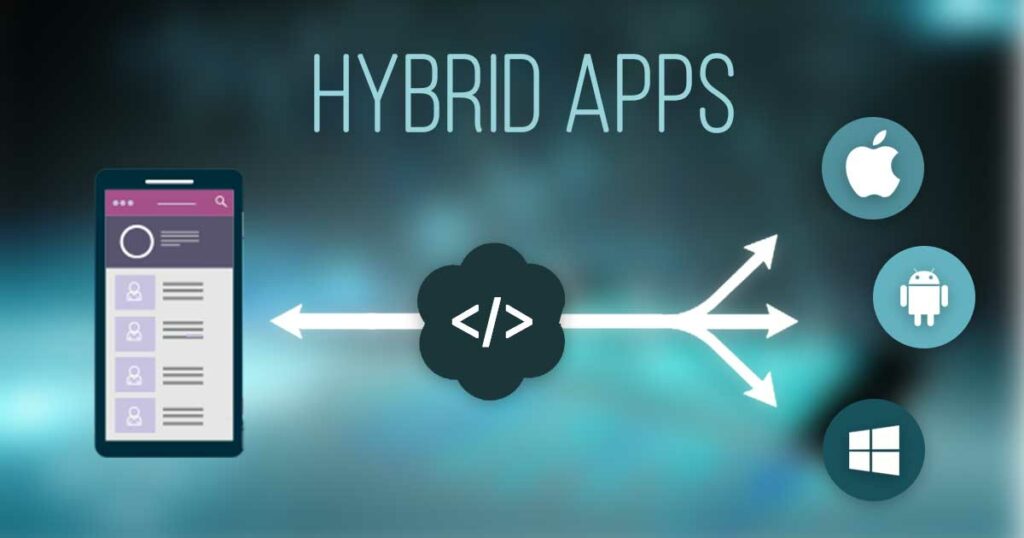
Hybrid apps are a combination of native and web solutions. In these apps, developers have to embed the code written in languages like CSS, HTML, and JavaScript in native apps using plug-ins like Apache Cordova, and Ionic’s Capacitor for enabling access to native functionalities. In Hybrid app development majorly there are two components back-end code and a native viewer.

In Hybrid apps, the code is written once and the same code can be useful for multiple platforms. Hybrid apps are great in performance and user experience near native apps. These apps are lacking in UX designs and navigation patterns. The main problem with Hybrid apps is there is no offline support. Instagram, Evernote, and Airbus are some examples of Hybrid apps.

Advantages of Hybrid app

  • Rapid app development
  • Easy maintenance
  • Ease of development
  • Cost reduction

Languages used in Hybrid app

  • JavaScript
  • HTML
  • CSS

Popular Frameworks used in Hybrid Apps

  • Ionic
  • Apache Cordova

What are Cross-Platform apps?

Majorly in the market Hybrid apps and Cross-Platform apps are considered the same but that’s not the scenario. Both platforms are different. Cross-Platform apps are developed with the same agenda of developing shareable and reusable code for developing apps for different operating systems. This app does not have a component of a web solution.

Cross-Platform apps are packed with features like rapid implementation, robust functionalities, and cost reduction. These apps are lacking in high performance and there are limitations in customization features.

Advantages of Cross-Platform apps?

  • Hassle-free and app development process
  • Easy app maintenance
  • Code reusability
  • Cost reduction

The languages used in Cross-Platform apps are the same as in Hybrid apps. The language implementation is different from Hybrid apps, as these apps do not have the component of embedded web solutions.

Popular frameworks used in Cross-Platform Apps

  • React Native
  • Xamarin
  • Flutter

These were the definitions, advantages, languages, and popular frameworks used in Hybrid and Cross-Platform app development. Now let’s dig deeper into which app development platform should we use and when to use it.

When to use Hybrid app development?

  • When you need rapid development.
  • You are planning to launch both a web app and a mobile app.
  • Your application’s target audience is a wider web app and mobile app.
  • You are launching apps with a strategy of the minimum viable product (MVP).
  • Your applications require native features like a camera, GPS, and so on.

When to use Cross-Platform app development?

  • When you want to launch your app on a limited budget, time, and resources.
  • Your target audience is both Android and IOS platforms.
  • You need faster app development.
  • The app does not require functionalities that may vary according to the operating system.

Conclusion

Irrespective of industry mobile applications are beneficial for every business. This blog answers your questions about which app development approach you should use. All the app approaches have their pros and cons. If you are planning for an application with great performance and UI/UX design that will feel the app like it is integrated into the system you can choose a native app development approach.

You can choose the Cross-Platform or Hybrid app development approach. When you have a requirement of covering web and mobile app audiences then this approach would be more suitable. Choosing the right mobile app development approach depends upon your unique app requirement.

What Others Are Reading

How to Build Marketplace App From Scratch
23 Feb
eCommerce
How to Build Marketplace App From Scratch

The sales made through mobile applications are estimated to reach $431.4 billion and this number is going to grow at 10x speed in the near future. Developing a market app is a complex and time-consuming thing but the results you get are with complexity and patience. For developing a marketplace there are certain things you need to consider while developing. Here are the 8 must things you should consider while developing a marketplace app. 8 must things to consider while developing a marketplace app Define proper marketplace type and define the monetization model The first thing to consider is what type of marketplace app you want to develop. There are numerous different types of marketplace models available with distinguishing monetization models. We have sorted out these types in common scenarios they are as follows: By audience type: Peer-to-peer: This type of marketplace is for specific products. Business to consumers: This type of marketplace retail sellers sell to customers. Business to business: In this type of marketplace the interchangeability of goods between the business owners. By merchandise Goods marketplace: In this marketplace, only goods are sold. Services marketplace: In this marketplace, customers are looking for services. Hybrid marketplace: In this marketplace variety of goods and services are available for sale. The monetization model should also be decided in advance as this decision affects the functionality and features of the app. Here are some common ways of monetization model Commission-based Subscription-based Listing promotion basis You can also sell ads on your app for making money out of your app. Define key features for sellers Developing apps for marketplaces need to accommodate both sellers and buyers that will use your apps. So for that, you need to decide what key features you are going to offer for both different types of categories. Let’s start with the sellers. Here are some useful features you need to keep in your marketplace app: Stock and order management Build-in support chat system Transaction control An easy way for offers, promotions, and discounts Connection to social media platforms like Instagram, Facebook, and Twitter Have a great UI/UX design You have defined your marketplace and how it will work. Now is the time for the development of the marketplace app. The first part of development is to design a great UI/UX design on the basis of the targeted audience, locality, goals, and features you have examined. The UI/UX design should be simple and easy to understand. In most scenarios, it is beneficial to introduce an MVP application however the UI/UX design of the application should be effective. Having a great UI/UX design will gain more customer feedback and attract more users. The UI/UX design should be attractive and easy to understand by a layman. Choose the right tools for app development The second most important thing in the mobile app development process is choosing the right tools for app development. Nowadays there are dozens of different tools available with distinctive features and uses. This situation makes it hard to decide which tool we should prefer. To clutter out this situation here are some of the tools you can choose are best: Flutter for cross-platform development .net or next js for web app development Postgre.SQL, MongoDB, or odoo for database If you’re looking to hire Flutter app developer or hire Next.js developer, make sure they are experienced and understand your project’s unique needs. Choosing an MVP market model is also beneficial for detecting bugs and flaws in your application. Expand your reach If you are planning for a successful marketplace app then you must need to focus on covering a big audience. This means your application should be available across all the platforms. Advertise your application on all social media platforms. Before all of these marketing efforts make sure your application is scalable and the servers can handle the audience. This is why cross-platform tools like Flutter are helpful in marketplace development. If you are not sure about the platform you have to choose you can launch your application on both platforms. Measure the exposure you are getting and then decide which platform you should choose. Proper maintenance and support The app development journey does not end when you launch the app. Launching of app live in the market is just the first step in the app development journey. The second most important thing in the successful app development journey is application maintenance and support. This also includes an analysis of customers’ likings and dislikes which features are useful and what needs to be upgraded. Other things you need to take care of are our 24/7 customer support. Conclusion The demand for marketplace apps is rising. These apps are beneficial for all. These apps are win-win apps. With benefits comes competition it is a very competitive market. For surviving in this market you need to introduce a quality product that solves certain needs of your targeted audience. Overall if you follow these 8 steps for app development you have better chances of success. Don’t be afraid to make mistakes and upgrade your application when needed moreover listen to customers’ needs.

CodeEpsilon Tech Dais
5 min
1.1K
Best application features your E-Commerce app should have
24 Jan
eCommerce
Best application features your E-Commerce app should have

Are you planning to develop an application for your E-Commerce? If not then what are you waiting for? E-Commerce apps are trending right now and it is the right time to take a deep dive into this market. According to statista.com the market revenue for E-Commerce apps is expected to reach $2,772,539 million by the...

CodeEpsilon Business Dais
6 min
527
Scrolling Popup

Success!

Thank you for subscribing to our newsletter! You will soon start receiving updates and news from us.

Get in Touch!!tt6esr


    Success!

    Thanks for submitting the form, we will get back to you within 48 hours.